

Skip to content
October 1, 2026·8 min read

Renting out your home furnished or unfurnished: what changes and where to put your things

Renting out your home furnished or unfurnished: pros and cons in a table, the five contract types (4+4, 3+2, students, temporary, short-term), the inventory to sign, and what to do with the furniture and personal things you don't want to leave to the tenant.

By Francesco Nigro

Share:
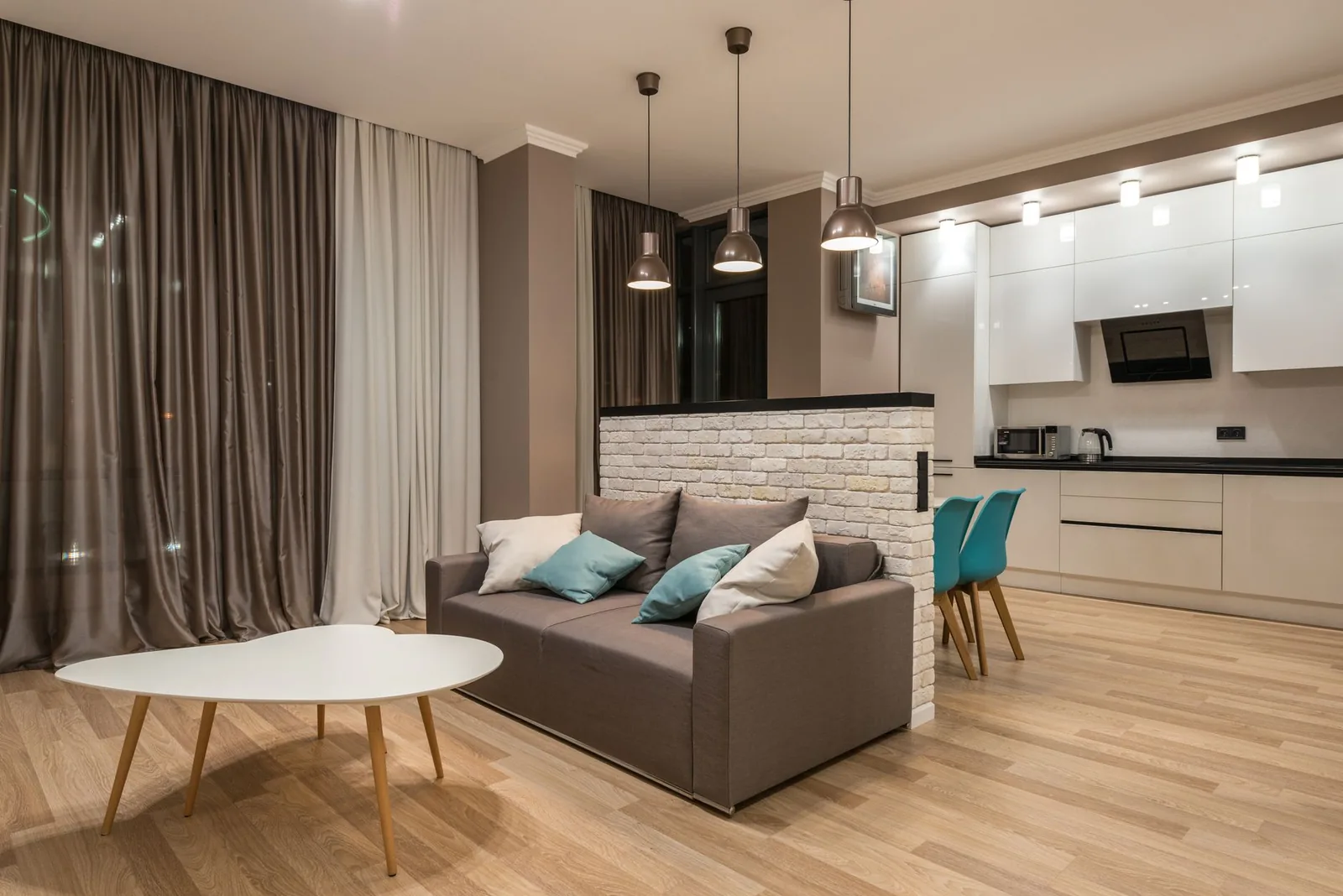
A living room with a gray sofa, a white coffee table and a kitchen behind
Photo by Max Vakhtbovych on Pexels

The short answer

Renting out your home furnished opens you to students and workers on assignment, but leaves you the upkeep of the furniture and an inventory to sign. Unfurnished is simpler to manage and attracts people who already have their own furniture. Either way, what you don't want to leave goes out of the house before the tenant moves in.

I don't manage rentals and I'm not a lawyer: I pick up furniture and boxes at home and keep them in a warehouse, which is exactly what you need the last weekend before the tenant arrives. The rest of this post comes from official sources, linked one by one.

One warning about Aunt's lamp, which will be back: it never asked to be rented out, and it never will.

Furnished or unfurnished: the table before the opinions

Facts first, then my opinion, which is worth about as much as your brother-in-law's. The rows are the questions owners ask me when they find out that "furnished" and "unfurnished" aren't two ways of saying the same thing.

Renting out furnished or unfurnished: what changes for the owner
ItemFurnishedUnfurnished

Who looks for it

Students, workers on assignment, people who don't want to move furniture

Families and couples who already have their own furniture

Rent

Well-chosen furnishing can justify a higher rent

No furniture to justify in the rent

Upkeep

Furniture wears out and replacing it may fall to you

The property remains: systems, walls, windows

Inventory

Needed: every piece, with its condition, signed together

Describing the condition of the property is enough

Your things

Whatever you don't leave has to be cleared and stored

The home is emptied completely before move-in

Typical length

Often shorter: temporary lets, students, assignments

More often long: people with their own furniture stay

Who looks for it and what they really ask

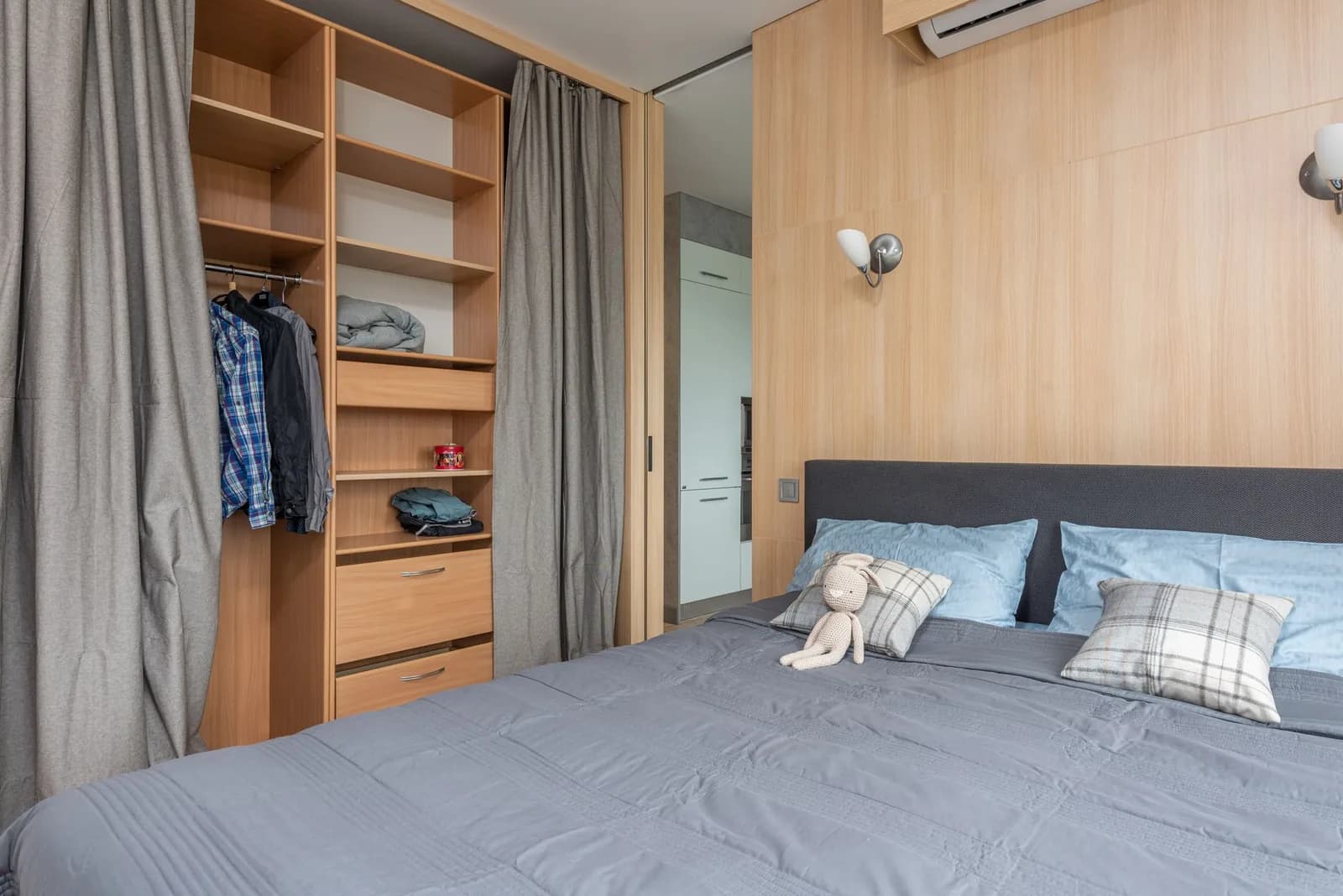
A furnished bedroom with a bed, an open wardrobe and shelves in a bright studio
Photo by Max Vakhtbovych on Pexels

The Spacest blog lists the same arguments. A well-furnished home can justify a higher rent and appeals to students and young professionals. But furniture wears out, and if it breaks you may have to replace it. People who stay long often prefer to bring their own.

Translation: furnished is a product, unfurnished is a container. With the product you sell comfort, and comfort needs to be kept in shape, meaning folded, washed and replaced now and then. With the container you sell square meters and worry about the walls.

For the middle road, a kitchen and a bed, the compromise works for owners who want a mixed audience. It has one flaw: you still have to decide who keeps your grandmother's dining table.

Five contracts, five ways to deal with the furniture

Before choosing the furniture you need to know which contract you'll sign, because the length decides how much furnishing pays off. The lengths below come from the laws and decrees linked, not from my memory. I barely remember where I put my own house keys.

  • **4+4**: a term of not less than four years, then a renewal for another four (law 431/1998, art. 2). Four years of sofa is a long time: either it's yours and you look after it, or you leave the house empty.

  • **3+2, agreed rent**: a term of not less than three years, then an extension of two, with the rent set on the basis of local agreements (same law, art. 2; criteria in the decree of 16 January 2017).

  • **University students**: from six months to three years, for people studying at a university in another town (decree of 16 January 2017, art. 3). Here furnished is close to mandatory: no student arrives by train with a wardrobe.

  • **Temporary**: a term of no more than eighteen months, and the contract must state the need that justifies it, for example a work relocation (decree of 16 January 2017, art. 2). Furnished makes the most sense here: people who stay briefly don't bring the bed, and wouldn't dream of trying.

  • **Short-term**: up to 30 days. For short-term lets the Italian Revenue Agency doesn't require registration, and hosts have to report their guests to the police within 24 hours through the Alloggiati Web portal. For short-term, the to-do list is longer than the stay.

The inventory is the page that saves you at the end of the lease

For leases beyond 30 days in total per year, registration is due within 30 days of signing, and both landlord and tenant are jointly liable for it. The inventory isn't a Revenue Agency form: it's your attachment, and nobody checks it until it's needed, which is always the worst moment.

It matters because of article 1590 of the Civil Code: the tenant returns the home in the condition in which they received it, according to the description made by the parties, apart from wear from normal use. If there's no description, the law presumes the home was in good condition. With a sofa and no photos, your word is worth exactly as much as theirs.

Write each piece with its room, condition and a dated photo, and have both sides sign. From Aunt's lamp downward, whatever isn't on the list is presumed not to exist, and whatever is on it is presumed never to have been new.

The full template, column by column, is in the post on the furnished home inventory. Below you'll also find the PDF guide: the printable form, with the boxes table and the furniture table. It was made for moving and storage, so for the lease you use the Notes column and the post.

What not to leave in a home you rent out

A furnished home isn't a home lived in by your things. The tenant is entitled to a dwelling, not to a museum of your taste. Leave what's needed to live and take away the rest, before they discover its history first-hand.

  • Documents, contracts, photographs and anything containing an address, a code or a name.

  • Family furniture: your father's sofa has had another life, and it isn't ready for three roommates' parties.

  • Things you can't buy again, like paintings and books with dedications.

  • Full wardrobes: a wardrobe full of your clothes isn't furnishing, it's an occupation.

  • What you'll need next month in another home, because "I'll grab it on the way" is not a plan.

Your things leave the house before the keys do

We pick up your furniture and boxes at home, keep them as long as you like and bring them back when the tenancy ends or when you need a piece.

Get a quote online in 2 minutes

Would you rather talk to a person?+39 02 999 444 21WhatsApp

See long-term storage

Where your things go while the house works for you

This is where I come in, and I promise to make less noise than your neighbor's drill. What you don't leave to the tenant leaves the house with a home pickup: we come to you, you rent nothing and don't drive to a warehouse, which is a polite way of saying your Saturday stays yours. We dismantle the furniture on a free quote, together with the pickup, with the page on furniture disassembly and reassembly.

Then it stays with us as long as you like. Long-term storage is open-ended and continues month by month until you ask for the redelivery. The warehouse is indoors, dry, with controlled access. It can't be visited, so no outings to say hello to the lamp: it'll get over it.

When the tenancy ends, you request the full redelivery from your account, with no cancellation fees. If you need a piece mid-lease, you write to us what you want back and the rest stays in storage. Your only job is deciding, which is more than I manage with Christmas presents. If you rent for short stays there's the page for storage for hosts, and for the furniture of the home there's furniture storage in Milan.

At the pickup it has to be you, or someone you've delegated: the tenant isn't a delegate by default, and if you want them to open the door you delegate them. And yes, we've already imagined the scene with the lamp.

In the field: open boxes and the chair that stuck out

A client gave us open boxes, with the flaps up and the tape on top: the volume had nearly doubled, and half a chair stuck out of one, an iron rod out of another. We loaded them all, on the agreed day.

Since then I've been a box sommelier: I look before, not after. We explain how to pack before the pickup, and what doesn't fit in a box we pick up as bulky. The maximum weight per box is 20 kg, because one person has to lift it, and that person's back has an opinion.

For someone emptying a home to rent it out the message is one: on the last evening you should need only tape, not an exorcist for the built-in wardrobe. How to close a box is in the guide on how to pack your boxes.

Before you hand over the keys

A hand holding a bunch of keys in a bright living room
Photo by Jakub Zerdzicki on Pexels

Decide furnished or unfurnished based on the contract you'll sign and the audience you want, not on the sofa you like best. Then write the inventory, take the photos and clear what you don't want to leave: the right moment to find out you own four identical phone chargers is before, not with the tenant on the landing. Aunt's lamp, if you're still wondering, comes with you.

If you don't know how much space you need, the space calculator tells you the size. The online quote doesn't ask for a card.

Get a quote →

Frequently asked questions

Is it better to rent out furnished or unfurnished?

It depends on who you're looking for and for how long. Furnished appeals to students and workers on assignment and goes with shorter contracts, but leaves you the upkeep of the furniture. Unfurnished is simpler to manage and attracts people with their own furniture. The contract (4+4, 3+2, temporary, short-term) is the first thing to settle.

Do I need an inventory to rent out a furnished home?

Article 1590 of the Civil Code refers to the description of the condition made by the parties: without one, the home is presumed to have been in good condition. That's why it's advisable to write an inventory with the condition of every piece and have both sides sign it.

Where do I put my furniture if I rent out my home?

You can put it in storage. With us we pick it up at home, keep it in a warehouse that is indoors and has controlled access for as long as you like, and bring it back when the tenancy ends or when you need a piece.

Can I get back only some of my things while they're in storage?

You can have just some of your belongings brought back and leave the rest in storage. You ask for it like a full redelivery — from your account or by writing to info@smoves.it, with at least 48 hours' notice — with one difference: there is no dedicated button for a partial redelivery, so you tell us what you want back and we arrange it together. Whatever you don't ask for stays in the warehouse, under the same contract.

How is storage paid?

You pay a monthly rate for the square meters you take up: it starts at 1 m², and the rate is fixed per size. The rate covers storage in the warehouse. On top, once at the start, you pay the pickup and the transport to the warehouse. The pickup price covers the stop at your place, not all the loading work: any time beyond that is shown as an estimate before you book and settled on the actual time, at €29 an hour per person VAT included. If you commit to more months, the discount goes on the pickup, not on the rate. Redelivery is not included: you book it from your account when you need it and pay for it then. Redelivery is worked out with the same engine as the pickup, at full price (the duration discount applies to the pickup only), and it depends on the day you pick, which you see before confirming. The base insurance limit is included in the rate. Paid separately, only if you ask for them: a higher limit (a monthly amount), packing materials and, on a quote, packing done by us and furniture disassembly. The online quote shows you the rate and the pickup before you book.

Your things leave the house before the keys do

We pick up your furniture and boxes at home, keep them as long as you like and bring them back when the tenancy ends or when you need a piece.

Get a quote online in 2 minutes

Would you rather talk to a person?+39 02 999 444 21WhatsApp

See long-term storage
Share:

Francesco Nigro

Founder of Smoves and an out-of-town student at Bocconi.

Who is behind Smoves

Related articles

From people who tried it

Verified reviews on Trustpilot.

“Excellent service. Whenever I had doubts or questions, they responded very quickly, within a day or two max. The redelivery service is as quick and convenient as it possibly can be, made my life as a student very easy.”

Adrian G. · Reviewed on

Read on Trustpilot

“Everything was super easy, very fast response from the company, the boxes were kept properly, any additional requests were granted. Would recommend!”

Viktor N. · Reviewed on

Read on Trustpilot

“Thank you very much for your support while we moved out of the student residence. The service was very professional and communication very clear and fast. We will be using your service again soon.”

Mafalda · Reviewed on

Read on Trustpilot