
Guide

Which box (and how many) to choose

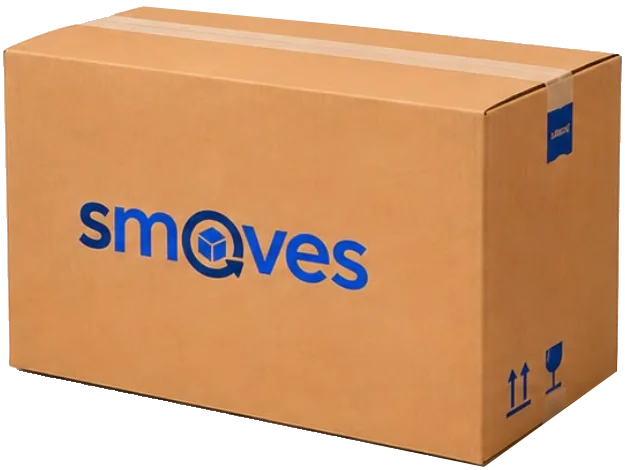
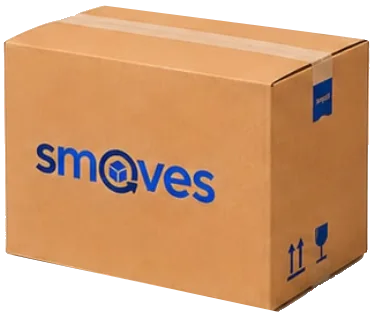
Three standard sizes: S for small heavy items, M for the bulk of everyday things, L for bulky-but-light. Here we help you figure out what you actually need — without paying for space you won't use.

The three Smoves sizes

All boxes are double-wall cardboard and hold up to 20 kg. Above that the bottom gives way: better to spread across more boxes.

SMALL

40 × 30 × 30 cm

Max 20 kg

The right size for small, dense items. It fills up faster than you'd think.

  • Textbooks, course notes
  • Notebooks and stationery
  • Shoes (3-4 pairs)
  • Small electronics (chargers, cables, accessories)

MEDIUM

60 × 40 × 40 cm

Max 20 kg

The all-rounder. If you don't know where to start, start here: most students use 2 or 3.

  • Clothes (summer or winter)
  • Towels and bathroom linens
  • Pots and kitchen accessories
  • Mixed room items

LARGE

80 × 40 × 40 cm

Max 20 kg

For things that are large but light. You use the volume without hitting the weight limit.

  • Duvets and pillows
  • Sheets and blankets
  • Empty backpacks and duffel bags
  • Bulky sports gear

Practical examples by profile

Not sure where to start? These three profiles cover most of the cases among our students.

Just the essentials

Short Erasmus (1-3 months)

1× S + 1× M

Study books, a few clothing changes, personal items. The minimum to free your room without keeping too much.

Whole period

Full academic year

2× S + 3× M + 1× L

The typical setup for an off-site student: books, wardrobe, accessories, linens. Shelves and wardrobes get fully cleared.

Everything out

End of term / clearing the room

3× M + 2× L

You need to vacate the room on a tight schedule. Lots of clothes, linens, a duvet and some bulky items. Few books — they stay home or get resold.

You can mix the sizes

You can book different sizes in the same order — for example 2× M and 1× L. Each one is charged at its own rate, no mix constraints.

Mini-quiz: find your ideal mix

Two questions, an instant estimate. It's a starting point, not an exact calculation — at pickup you only pay for the boxes you actually hand over.

What do you want to store?

Pick all categories that apply.

Already know how many sizes you need?

Once you've picked the sizes, the next step is preparing the boxes properly: what to pack together, what to avoid, how to label so you find everything again in September.

Got your mix?

Three minutes for the quote. You can change number and sizes up to the day before pickup.