
Skip to content
May 25, 2026·6 min read·Updated on September 24, 2026

Smoves or traditional self-storage: which one actually suits a student?

Smoves vs self storage: a unit in a warehouse and door-to-door pickup side by side, with the table. What you pay, how much time it takes, and when each one wins. Neither wins every time.

By Francesco Nigro

Share:
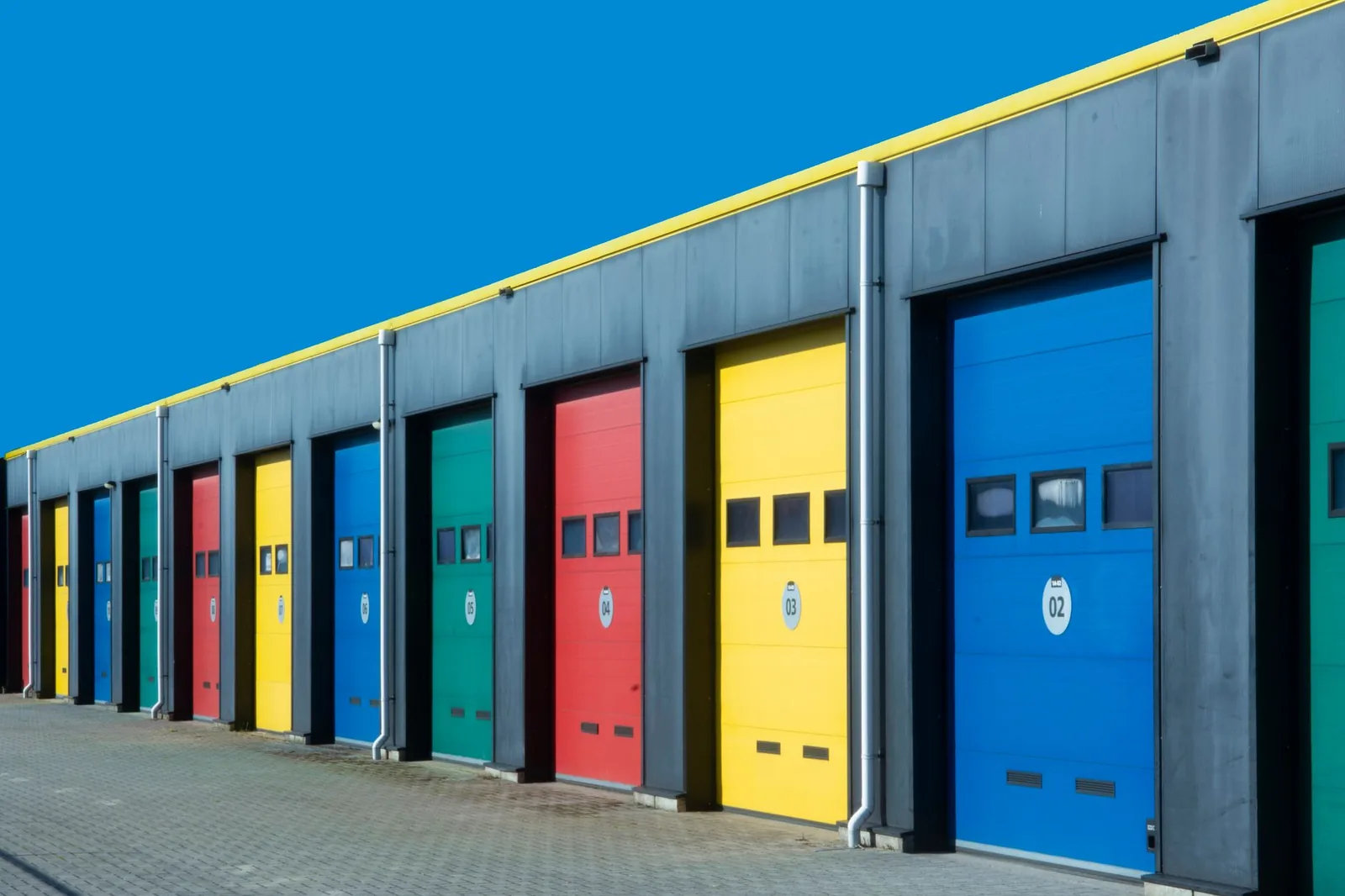
A row of industrial roller doors in blue, red, yellow and green
Photo by Jan van der Wolf on Pexels

The short answer

Smoves vs traditional self storage: if you need a few square meters, have no car and don't need anything while your things are in storage, door-to-door pickup wins. If you need a lot of space, have a vehicle and want to come and go as you please, a traditional unit costs less. Neither is better in the abstract.

I'm writing this while selling one of the two, and I know how that sounds. But I've spent enough Junes loading things into somebody else's car to know that storage is also paid for in Saturday afternoons.

Below is the line-by-line comparison, with the table. If you're after the overview of warehouses in the city, that's on the self storage in Milan page.

How traditional self-storage works

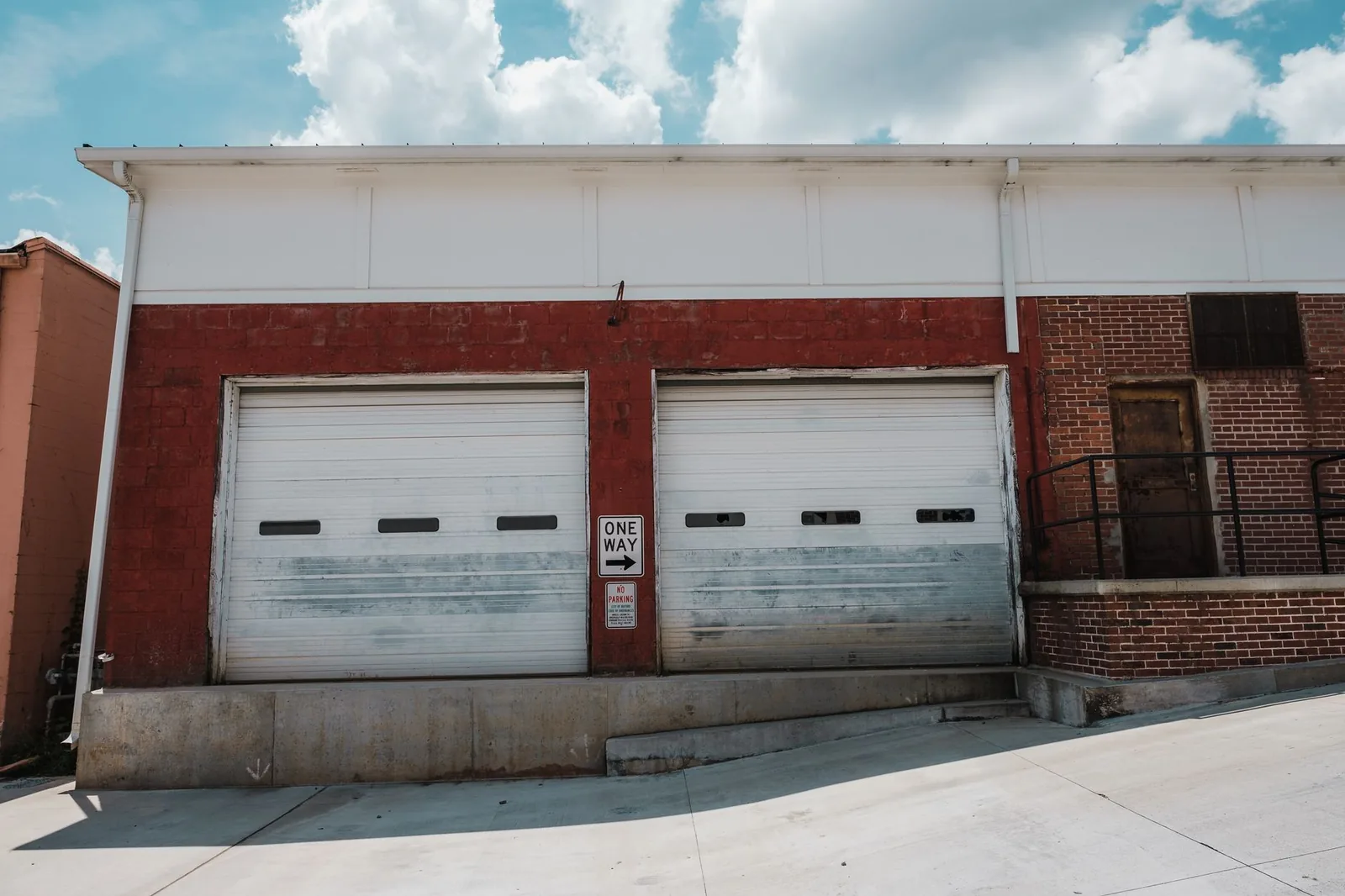
A brick facade with two closed white roller doors
Photo by Airam Dato-on on Pexels

You rent a closed unit, in the size you choose, inside a warehouse you can enter during opening hours. You sign, pay a monthly fee, get a key or a code, and that slice of warehouse is yours, containing exactly what you brought.

The rest is on you. You take your things there, unload them, arrange them, and make the trip again every time you need the winter coat, which is obviously at the back. Most warehouses sit where floor space is cheap, far from the center: fine for a shed, awkward for someone who gets around by metro.

Then there's the size. Units come in fixed sizes and you pay for the one just above what you need: eight boxes in a 2 m² unit means paying for the air above the boxes. A warehouse can't cut concrete to measure, and the model has held for decades: in the US the trade association counts around 49,000 facilities against 15,000 in the entire rest of the world. It works beautifully for the audience it was built for, people with a business, a vehicle and frequent visits.

How door-to-door pickup works

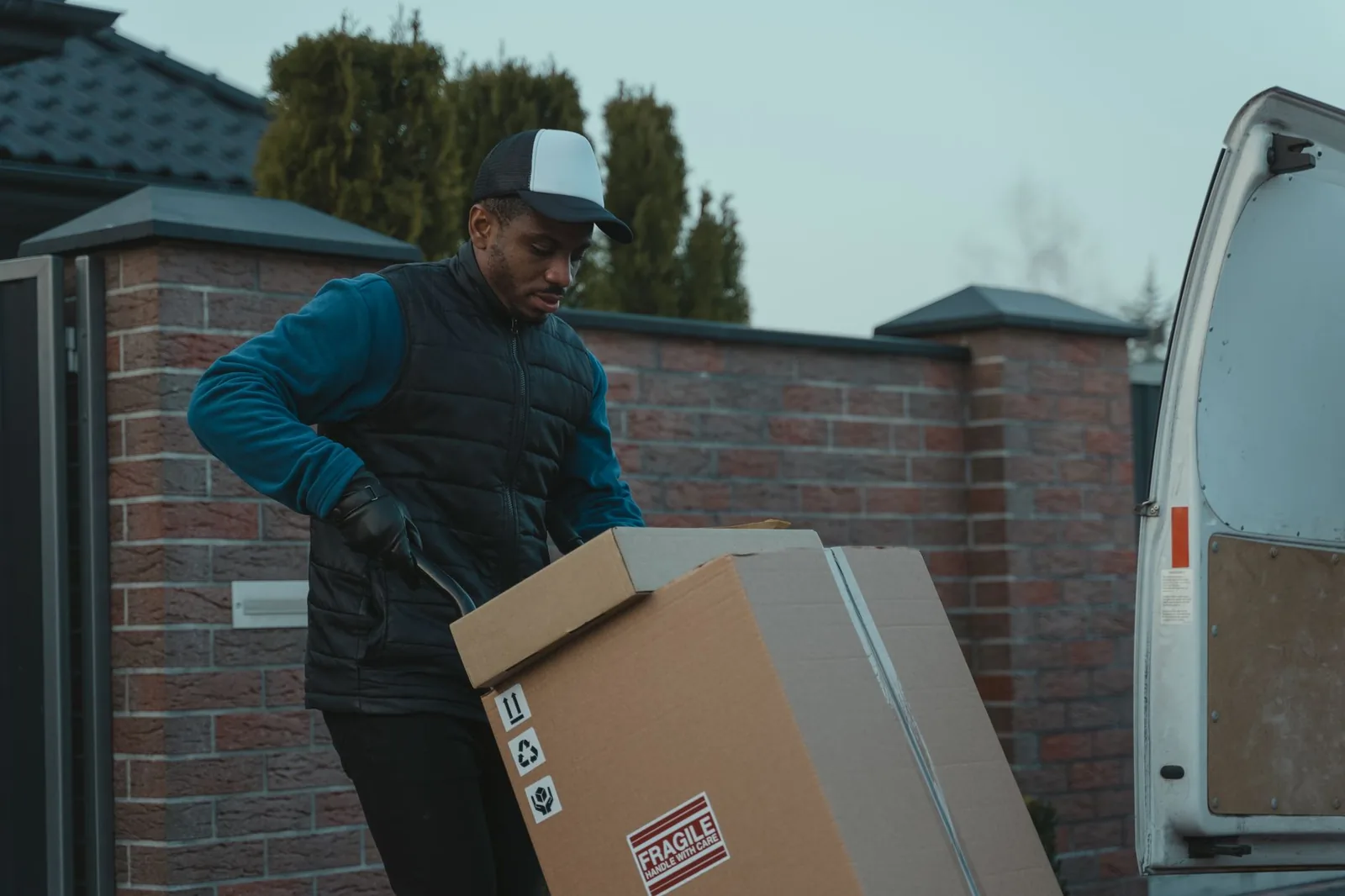
A man pushing a cart of boxes toward a van in the street
Photo by Tima Miroshnichenko on Pexels

You book online: pick the size in square meters, with the space calculator if you're not sure which, and the pickup date. The quote shows the monthly rate and the pickup before you pay. On the chosen day we come to you and we need you or someone you've delegated to be there. We label each item, log it, and your things stay in the warehouse until you book redelivery, which is paid separately at that point and can go to a different address from the one we collected from. The full path is on how it works.

You don't get a unit of your own: you get your items, tracked one by one. In exchange you pay for the size you need instead of the smallest available unit, and with eight boxes the difference shows.

The downside is that you can't drop by on a Wednesday to grab one thing. If you need to get in every couple of weeks, the comparison ends here and the unit wins.

There is a middle ground: redelivery can be partial. If you only need some things, you write to us and we bring those, on the timing of a request rather than a key. And if by then you've moved further away, we ship within Italy and abroad on a quote.

The comparison, line by line

Eight lines, the ones that weigh on the decision. Our own figures live on pricing and in the online quote; what's here is the mechanism, which is what changes the final total.

Traditional self-storage and door-to-door pickup, side by side
Traditional self-storageDoor-to-door pickup

Who transports

You, in your own or a rented vehicle, there and back

We do, both at the pickup and at the redelivery

What you pay for

The whole unit, in the nearest available size above what you need

The size in square meters you choose, from 1 m², at a fixed monthly rate per size; pickup and transport once at the start; redelivery separately, when you book it

Where you have to go

To the warehouse, during opening hours, every time

Nowhere: pickup happens at your address

Access during storage

Free, within warehouse hours

You book redelivery, partial too if you write and ask

Commitment

Often a contractual minimum, with notice required to end it

Month by month, until you ask for redelivery

Do you need to be there?

Yes, you're the one loading and unloading

You or someone you delegate: a flatmate, the doorman, a friend

What fits

Furniture, appliances, very bulky items too

Boxes up to 20 kg each, bulky items and furniture, with disassembly and reassembly on a quote

When it wins

Lots of stuff, frequent access, a vehicle available, long storage

Few square meters, no car, dates set by others, no access needed

Want to compare with real numbers?

The price list shows the monthly rate for every size, from 1 m², and how the pickup is worked out. Put it next to the unit you're considering.

Get a quote online in 2 minutes

Would you rather talk to a person?+39 02 999 444 21WhatsApp

See pricing

The cost that never appears on an invoice

The sticker price of a unit is only the first number. Then come the van rental or the favor asked of whoever owns one, the fuel, the parking, and the time: finding the warehouse, signing, loading, driving, unloading, and at the end doing it all in reverse. None of those arrive by email marked «invoice», which is why you don't see them while you pay them.

I did the math in the currency students actually hold, Saturday afternoons. Loading and driving take four to six hours. In June they weigh a lot, because it's the same month as exams, a room to clear and the flatmate who vanishes on precisely the day of the move.

How much those hours are worth is up to you. They still belong in the comparison, because the sticker price never shows them.

When traditional self-storage wins

With a lot of material the unit wins: furniture, appliances, a whole apartment. There the large size works in its favor, because the cost per square meter falls as you go up in size.

It also wins if you go in every week, as an archive or a working stockroom. A service that brings everything back to your door is almost the opposite of what you need.

With a car and a free afternoon the transport line disappears and only the fee remains. And on storage beyond a year, the initial effort spreads over many months and counts for less and less.

When door-to-door pickup wins

On the other side is the profile the model was built for, which was also mine when I stopped looking for a solution and started building one.

Some boxes, a suitcase, a bike, a disassembled desk: with that little, the small size makes all the difference. The car you don't have counts too, and in Milan not having one is the norm.

Then there are the dates. The university, the lease or the flight set them, and your only job is to make them line up with a pickup. And if you won't need that stuff until September, paying for free access is like paying for a gym in July.

That's the band where we were born: student storage explains how the service is built for people who study.

How to decide in two minutes

Start from one question: do you need to get in while your things are in storage? If yes, take the traditional unit.

If not, get two quotes, our online one and one from the warehouse nearest your apartment, and compare them with transport counted in both. For the square meters there's the size guide. If the unit wins, take the unit. If you're unsure about your own case, write to us from contacts and I'll tell you whether we're the answer.

Get a real number to compare

The online quote doesn't ask for a card and commits you to nothing: it gives you one figure to put next to the other.

Get a quote →

If you'd rather know who we are first: about us, and the story of how Smoves started is in the post about our own mistakes.

Frequently asked questions

Is self-storage or door-to-door pickup cheaper?

It depends on how much space you need and on who does the transport. With a few square meters and no car, door-to-door pickup usually wins: you pay for the size you occupy, pickup and transport once at the start, and redelivery separately when you book it. With a lot of material and a vehicle available, a traditional unit costs less.

Can I access my things during storage with Smoves?

You can't drop by for a single item: you book redelivery from your account, and if you only need part of your things it can be partial, by writing and asking. If you need frequent, immediate access, a traditional unit is still the right choice.

How much space do I actually need?

Size is measured in square meters and starts at 1 m². The space calculator on the site asks what you have to store and tells you which size you fall into, so you don't have to guess.

How much time does door-to-door pickup actually save?

It removes the two trips to the warehouse plus the loading and unloading. At pickup we need you or someone you've delegated, such as a flatmate or the doorman. With a traditional unit you make those trips yourself, twice, and no quote shows them.

Is there a minimum commitment, like the warehouse contracts have?

No. Traditional units often require a contractual minimum and notice to end it; here the monthly rate renews month by month until you ask for redelivery. If you commit to more months, the discount applies to the pickup and not to the monthly rate.

What happens if my things are damaged?

Insurance covers your belongings for the period they spend in storage, up to the limit you picked: the base limit is included in the monthly rate, and if you need a higher one you pay for it separately. Insurance doesn't apply during transport: the carrier's statutory liability does.

Want to compare with real numbers?

The price list shows the monthly rate for every size, from 1 m², and how the pickup is worked out. Put it next to the unit you're considering.

Get a quote online in 2 minutes

Would you rather talk to a person?+39 02 999 444 21WhatsApp

See pricing
Share:

Francesco Nigro

Founder of Smoves and an out-of-town student at Bocconi.

Who is behind Smoves

Related articles

From people who tried it

Verified reviews on Trustpilot.

“Excellent service. Whenever I had doubts or questions, they responded very quickly, within a day or two max. The redelivery service is as quick and convenient as it possibly can be, made my life as a student very easy.”

Adrian G. · Reviewed on

Read on Trustpilot

“Everything was super easy, very fast response from the company, the boxes were kept properly, any additional requests were granted. Would recommend!”

Viktor N. · Reviewed on

Read on Trustpilot

“Thank you very much for your support while we moved out of the student residence. The service was very professional and communication very clear and fast. We will be using your service again soon.”

Mafalda · Reviewed on

Read on Trustpilot